Retail stores are prime targets for theft, shoplifting, and vandalism, posing significant challenges for store owners and managers. With valuable merchandise on display and high foot traffic from customers, retail establishments are vulnerable to security threats that can impact profitability and reputation. To protect their stores and assets, retail owners must implement effective security measures. Here are some key strategies for enhancing retail security and safeguarding against theft and vandalism:
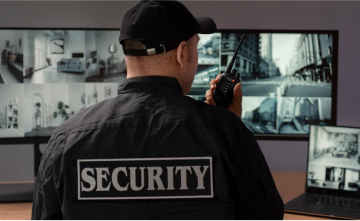
1. Install Surveillance Cameras: Install surveillance cameras strategically throughout the retail store to monitor activity and deter criminal behavior. Place cameras in high-risk areas such as entrances, exits, cash registers, and aisles with valuable merchandise. Opt for high-definition cameras with night vision capabilities and remote monitoring features for maximum effectiveness.
2. Train Staff in Loss Prevention Techniques: Provide comprehensive training to retail staff on loss prevention techniques and best practices for identifying and deterring theft. Educate employees about common shoplifting tactics, such as concealing merchandise, distracting staff, or using counterfeit payment methods. Train staff to remain vigilant and observant of suspicious behavior among customers.
3. Implement Access Control Measures: Control access to restricted areas of the retail store, such as stockrooms, inventory storage areas, and employee-only sections, using access control measures such as keycard systems or biometric scanners. Limit access to authorized personnel and monitor entry and exit points to prevent unauthorized access.
4. Enhance Lighting and Visibility: Ensure adequate lighting both inside and outside the retail store to improve visibility and deter criminal activity. Install bright exterior lighting to illuminate parking lots, entrances, and walkways, reducing hiding spots for potential thieves. Maintain well-lit interior spaces to enhance visibility and discourage theft.
5. Utilize Anti-Theft Devices and Security Tags: Use anti-theft devices and security tags to protect high-value merchandise from theft. Attach security tags to clothing, accessories, and electronics to trigger alarms if removed from the store without authorization. Display merchandise in locked cabinets or behind glass cases to prevent unauthorized handling or tampering.
6. Employ Uniformed Security Guards: Consider hiring uniformed security guards to provide a visible security presence in the retail store. Security guards can deter theft, monitor customer behavior, and respond quickly to security incidents or emergencies. Their presence can also reassure customers and employees, creating a safer shopping environment.
7. Implement Emergency Response Protocols: Develop and implement emergency response protocols for handling security incidents such as theft, vandalism, or disruptive behavior. Train staff on how to respond to security threats, communicate effectively during emergencies, and coordinate with law enforcement authorities if necessary. Establish procedures for reporting security incidents and documenting evidence for investigation purposes.
8. Collaborate with Law Enforcement and Security Professionals: Build relationships with local law enforcement agencies and collaborate with security professionals to enhance retail security. Work with law enforcement to report incidents, share intelligence on criminal activity, and coordinate efforts to prevent and deter theft. Partner with security providers to conduct security assessments, implement customized security solutions, and monitor security systems for optimal effectiveness.
By implementing these key strategies for enhancing retail security, store owners and managers can minimize the risk of theft, shoplifting, and vandalism, creating a safer and more secure shopping environment for customers and employees alike.